Tiny Spark’s inaugural show takes a look at corruption in international adoption.
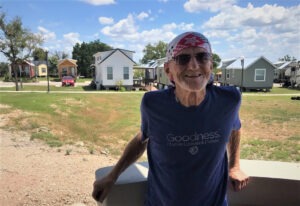
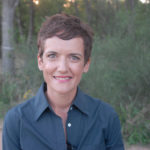
Our focus is Guatemala. We speak to adoptive mother, Jennifer Hemsley, pictured on the left. When she and her husband began the process of adopting a girl from Guatemala, they suspected fraud and feared the infant may have been kidnapped. “We were very concerned that [Hazel's] mother might be looking for her,” Jennifer tells us.
Hemsley says she could’ve ignored her own suspicions and adopted the girl anyway. “But I couldn’t do that, “Hemsley said. “That wouldn’t have been right.”
So Hemsley undertook a years-long quest for the truth. Along the way, she endured the scorn of a U.S. adoption agency, her sanity was questioned by Guatemelan lawyers and officials, and many American adoptive parents turned on her.
Hemsley’s story is a complex, nuanced exploration of what it means to make “right” choices on behalf of a girl, in another country, who needs a home.

Erin Siegal, author of Finding Fernanda
We also speak with Erin Siegal, author of the new book, Finding Fernanda. Siegal’s book investigates corruption in Guatemala’s international adoption system.
Using the Freedom of Information Act, Siegal gained access to a trove of cables from the U.S. embassy in Guatemala, which reveal the extent of the American government’s concerns about aiding and abetting child trafficking.
Siegal tells us, “The cables show that there was always some corruption, there were always women selling their children, and the embassy knew that. There were always imposter birth mothers showing up and relinquishing children that weren’t biologically related to them. And there were always financial incentives that did drive this corruption and the Embassy did know that.”







I would like to suggest a book on the topic of adoption, Love Our Way by Juila Rollings. http://www.harpercollins.com.au/books/Love-Our-Way-Mothers-Story-Julia-Rollings/?isbn=9780732288143
I am enjoying reading the commentary in this thread, and am very happy to see the issue of how best to do good addressed so directly. Definitely interested to see TinySpark’s coverage of issues going forward.
Thank you, Sylvia! We will have more stories on the business of doing good posted in the weeks ahead.
Great piece. Am recommending it to my friends.
Amy, this is nuanced and poignant. I have no critique to offer because this is just an excellent start. I also read your post following up on the play pump story, and the thoughtful Frontline World piece you did years later. That just nails what happens in Africa. I always say there is no shortage of good ideas or money. It’s the structure, the follow-through, the capacity that is the challenge…which goes back to boring ol’ sustainability. It’s the true magic bullet though–just takes a ton of time and is not as seductive! Great work, Amy. You have all my support.
Thank you so much for this, Suzanne! I remember working with you on my first radio report on the PlayPump…It remains a wonderful idea poorly executed. I’m looking forward to following up on similar initiatives in the months ahead…there isn’t nearly enough oversight in the sector, unfortunately. Hoping to do our small part to change that!
Wonderful podcast! Thank you so much for this insightful program.
Do you have a Facebook page? It would be great for those of us who use FB to keep track of our favorite blogs.
Hi Holly. Thanks for your interest in the program. In fact, we’ve just launched our Facebook Page today!
http://on.fb.me/uESbPh
Good program! Jennifer, thank you for doing the right thing for Hazel. Listening to you at the end reminds me of the statement in Schindler’s List, “I could have done more.”
While I agree with Erin there should be regulation, I am concerned the regulations go too far and children grow up in orphanages.
Hi Gil. Many share your concerns that too many regulations risk stifling opportunities for children in need. It’s a delicate balancing act, with huge costs on both sides. As we heard in the podcast, lax regulations can lead to disastrous consequences for children and their birth families; too much regulation can deny children in need the opportunity to find a loving family.
Amy:
I really enjoyed the story and the spotlight on the ambiguity of the situation that many prospective adoptive parents find themselves in.
Great first effort. Looking forward to more.
Just posted your blog on my weekly Internet Roundup. I hope the Creating a Family audience will find it interesting as well. http://bit.ly/eOslSR
Thank you, Dawn. Would love to hear from your readers…
Amy,
Wonderful podcast. I’m so glad that you chose the topic of international adoptions for your first program; the issue perfectly embodies the complexities that arise in the business of doing good. Good intentions do not necessarily translate into positive outcomes.
I spent two years as a diplomat investigating adoption abuses in Vietnam from 2007 to 2009. The issue is close to my heart.
I admire Jennifer and her husband for the courage they showed by not turning a blind eye to the red flags that popped up in Hazel’s adoption case. It’s clear from your interview how tough a decision this was.
Governments, including our own, undoubtedly have a major role to play in improving international adoption systems and improving protections for children, birth families, and adopting parents. Former Assistant Secretary Maura Harty used to say that we need to be sure that we are providing families to children who need them and not children to families who want them.
But I take issue with the idea – raised on this comment board – that government – faceless bureaucrats – are the ones to blame for this corruption. That’s too easy. If anything, the embassy cables that Ms. Siegal obtained reveal that the pressure on government – from parents, their Congressional representatives, adoption agencies, etc. – were pushing officials to turn a blind eye despite egregious abuses. If we had more parents like Jennifer, demanding information and truth from their adoption agencies, this wouldn’t happen – or at least not to the same degree. Adopting parents – in the U.S. and elsewhere – must take ownership of their complicity, however, unintentional, in creating a system in which demand and dollars drive unscrupulous practices.
I don’t mean to assign blame. There are many parties involved in this issue, and they tend to be suspicious of and misunderstand one another. If anything, the next step is to improve communication and trust among them.
I’m look forward to more from TinySpark.
MB
Such a good interview and a very thought provoking topic. Interesting example of what the business side of doing good can look like. Well, hopefully that won’t always mean corruption and exploitation! Or does it? Are we, your listeners, all going to become jaded and cynical anti-do-gooders? I will stay tuned to find out!
Kidding aside, congrats! I’m so psyched to hear more.
Hi Marisa,
No, my plan is not to make all of you into cynics! To the contrary. Ideally, I hope our program helps listeners to make more informed decisions when it comes to seemingly good ideas. I think we all understand that the best ideas are inherently complex and yet I think they’re too often portrayed simplistically. The Business of Doing Good is so rich with stories, with solutions, with dilemmas and contradictions. I hope in navigating some of this terrain we will better understand what works, what doesn’t work so well, and why. In the end, I think this kind of investigation will help all of us continue to do good, in our own different ways — just more effectively. Does this make sense?
What a thought-provoking story. We live in South East Asia and have several international friends here who have adopted regionally. The legality and transparency of adoption is a concern for many here. Families we know have struggled with the need to “raise a red flag” and report abuses in the system, as they understandably do not want to effect their adoption or those within the adoption community. Kudos to Jennifer for sharing her emotional and deeply personal story!
Nicole,
Thank you for offering a perspective from another part of the world. I think you, and some of your friends who’ve adopted internationally, might be interested in reading a discussion we’re having over at another website, China Adoption Talk:
http://chinaadoptiontalk.blogspot.com/2011/12/podcast-exposing-corruption-in.html
I’m very interested in hearing more from your friends who’ve been through this process in South East Asia and the issues they struggled with along the way…
I am an international child protection specialist and writer, and this podcast is – hands down – the best journalistic treatment of international adoption that I have ever seen. Congrats! I have shared it widely already.
Mark, Wow! Thank you for those kind words. Since we are in the pilot phase, I also welcome any constructive criticism you may have about any aspect of the podcast, especially given your experience in this area. Down the road, I imagine we will cover some other topics that may interest you. Hope you’ll stay tuned!
Amy, this is wonderfully done. Thank you for shedding light on such a meaningful issue.
Wonderful, insightful, and emotional interview!
Thank you for sharing this information. I hope many will hear it, and learn of the changes needed in the US laws that govern international adoptions.
We can not control the actions of individuals or government officials in the sending countries, but with proper law changes here, we can control the actions of those in the US who chose to conduct the business of adoptions in an unethical way, and with questionable counterparts in foreign countries!
The US federal govt. and most state governments have ‘looked the other way’ for longer than they should have! Not one more child, not one more family deserves to be exposed and damaged by fraud and corruption in international adoptions!
Thank you Amy for doing this show on such an important issue! I hope those who hear it will take notice, and take action!
Elizabeth Emanuel
advocate for children with no voice or choice in those who handle their future
Elizabeth, how wonderful to have your opinions here. Your story, as told in Finding Fernanda, helps to put a real face on this important human rights issue. Curious to hear whether you’ve had much feedback from the US adoption community to your story?
Great interview!!!! I really admire Jennifer and her hubby for having the courage to speak out and continue to care for Hazel. Thank you so much!!!!!
Thank you, Miriam! Jennifer’s story is an important take on a complex issue.
Amy, this is an important and touching story from a place we are not familiar with. You followed them to give a deeper insight into a complicated situation.
Congratulations on your first program! It was well done and thought provoking. Love the website, too, and the links. Can’t wait to hear your next installment.
Thank you, Amy for tackling a subject many journalists portray as a purely benevolent act, when in reality, it is extremely complex and more often than not, riddled with fraud and crime.
I ask your listeners to please keep in their hearts and minds the mothers of Guatemala who are still seeking the return of their stolen children while listening to our story.
Jennifer, thank you for taking the time to write and for being a part of our show. I know that many listeners appreciated your willingness to share your deeply personal story. I hope to follow up on the story of the Guatemalan mothers in another episode. Stay tuned and thanks again.
Amy: Great program! Appreciated your insights into this this difficult subject.Tiny Spark is glowing brightly! Congratulations